

 AsimAli
Healthcare delivery systems are complex networks designed to provide medical services to communities. They include hospitals, clinics, long-term care facilities, rehabilitation centers, and residential care homes.
The way these systems function and evolve is strongly influenced by investments.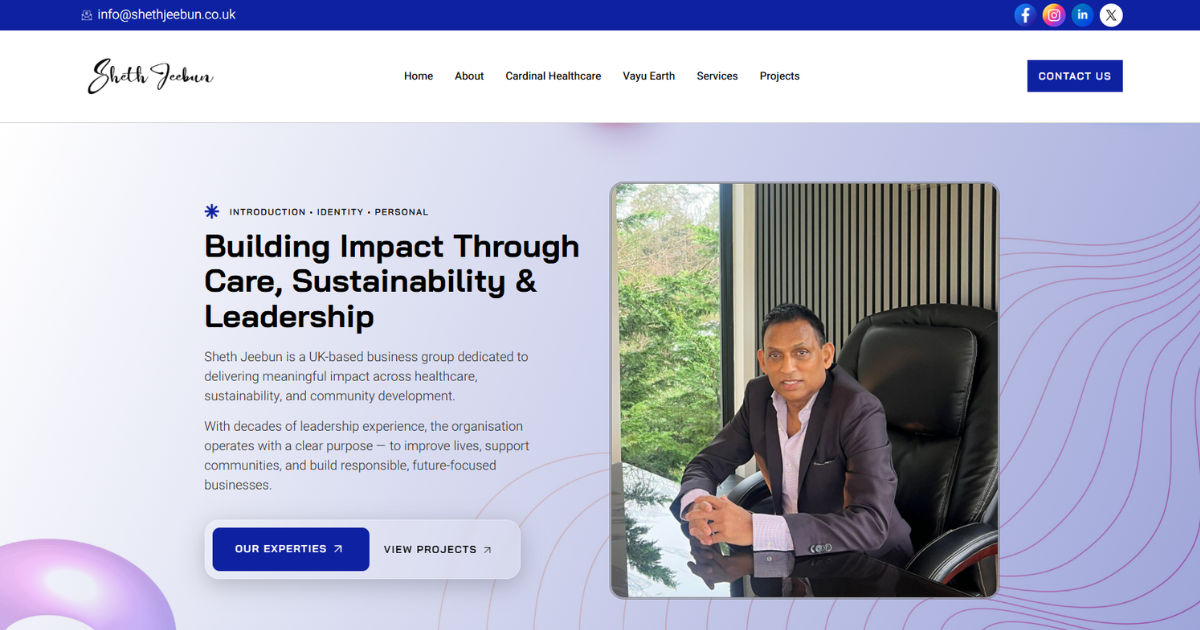
Funding, whether from government bodies, private investors, or non-profit organizations, can determine the quality, accessibility, and efficiency of healthcare delivery.
For example, Sheth Jeebun residential care homes UK have leveraged strategic investments to enhance patient care, improve facilities, and expand their services.
Investments in healthcare are not only about buying equipment or building infrastructure. They impact staffing, technology adoption, and the overall patient experience.
Understanding how investments shape healthcare delivery systems is essential for policymakers, healthcare providers, and the public.
In this guide, we will explore the role of investments in healthcare, types of investments, their impact on different areas, and future trends.
Healthcare Delivery Systems
A healthcare delivery system refers to the framework through which healthcare services are organized, financed, and delivered. It is more than just hospitals and doctors; it encompasses the entire process of patient care, from prevention to rehabilitation.
These systems are influenced by numerous factors, including government policies, population needs, technology, and economic conditions. However, one of the most critical factors is investment. Investments determine whether a healthcare system can meet growing demands, integrate modern technology, and maintain high standards of care.
Residential care homes, such as Sheth Jeebun residential care homes UK, demonstrate how targeted investments in infrastructure, staff training, and technology can improve healthcare delivery. These homes provide long-term care to vulnerable populations, including the elderly and those with chronic illnesses. By investing in modern facilities and well-trained staff, they ensure that residents receive safe, compassionate, and effective care.
Types of Investments in Healthcare
Healthcare investments can take many forms, and each plays a unique role in shaping delivery systems. Below are some key types:
1. Infrastructure Investments
Infrastructure investments include funding for hospitals, clinics, residential care homes, and rehabilitation centers. Proper infrastructure ensures that patients have access to quality care and that healthcare providers can work efficiently.
For instance, Sheth Jeebun residential care homes UK have invested in modernizing their facilities. Upgraded living spaces, advanced medical equipment, and comfortable common areas improve both resident well-being and staff efficiency.
2. Technology Investments
Technology is transforming healthcare. Investments in electronic health records (EHRs), telemedicine platforms, diagnostic tools, and robotics can drastically improve patient outcomes.
Telehealth services, for example, allow patients in remote areas to consult with specialists without traveling long distances. Residential care homes benefit too, as technology facilitates real-time monitoring of residents’ health and quick response to emergencies.
3. Human Capital Investments
Healthcare delivery relies heavily on skilled professionals. Investments in education, training, and staff retention are essential. Well-trained nurses, caregivers, doctors, and administrative staff can provide better care, reduce errors, and enhance patient satisfaction.
Sheth Jeebun residential care homes UK emphasize staff training programs that focus on dementia care, emergency response, and personalized patient care. Such investments improve the quality of care and help maintain regulatory compliance.
4. Research and Innovation Investments
Research and innovation drive medical breakthroughs and improve healthcare delivery. Investments in research institutions, clinical trials, and new treatment methods can save lives and improve patient experiences.
Hospitals and care homes that embrace innovative practices can offer advanced therapies, faster diagnoses, and more effective treatments. Investments in research also create a competitive advantage, allowing institutions like Sheth Jeebun residential care homes UK to offer higher standards of care.
5. Public and Private Funding
Healthcare systems rely on both public and private investments. Government funding supports national healthcare infrastructure, subsidies, and insurance programs, while private investments often drive innovation, technology adoption, and expansion of services.
Residential care homes often operate as a mix of private and public funding. Strategic investment ensures that they can maintain quality care without compromising affordability.
How Investments Improve Healthcare Delivery
Investments impact healthcare delivery in several key ways, influencing accessibility, quality, efficiency, and patient satisfaction.
1. Improving Accessibility
Investments can expand access to healthcare services. Building new clinics, opening residential care homes, and funding mobile healthcare units make medical care available to more people.
For example, Sheth Jeebun residential care homes UK have used investments to establish facilities in multiple regions, ensuring that elderly populations can access long-term care near their communities. This reduces travel burdens for families and allows residents to maintain social connections.
2. Enhancing Quality of Care
Investments improve the quality of care by funding modern equipment, advanced treatment methods, and well-trained staff. High-quality care reduces medical errors, improves patient outcomes, and increases satisfaction.
Healthcare organizations that invest in continuous staff training and innovative treatment protocols, such as Sheth Jeebun residential care homes UK, can provide superior patient experiences.
3. Increasing Efficiency
Efficient healthcare delivery saves time, resources, and money. Investments in management systems, electronic health records, and workflow automation help staff work more efficiently and reduce administrative burdens.
Residential care homes benefit from technology that monitors residents’ health in real time, enabling caregivers to intervene promptly and efficiently. This not only enhances care but also reduces operational costs.
4. Fostering Innovation
Investments in research and development encourage innovation in healthcare. New medications, treatment procedures, and digital health solutions improve patient outcomes and expand the capabilities of healthcare systems.
Facilities like Sheth Jeebun residential care homes UK adopt innovative practices to enhance daily operations, resident care plans, and overall service delivery. Innovation ensures that care stays current with global standards and best practices.
5. Supporting Sustainability
Long-term investments promote sustainable healthcare systems. Funding for renewable energy, efficient facility management, and preventive care reduces costs and environmental impact.
Sustainable investments in residential care homes can also improve resident comfort and staff working conditions, contributing to long-term operational success.
Challenges in Healthcare Investments
While investments bring many benefits, they also face challenges that can affect their effectiveness.
1. High Costs
Healthcare investments, especially in technology and infrastructure, require significant upfront capital. Smaller institutions or regions with limited resources may struggle to make necessary investments.
2. Unequal Distribution
Investments are not always distributed evenly. Urban areas often receive more funding than rural areas, leaving some communities with limited access to healthcare services.
3. Regulatory Constraints
Healthcare is highly regulated. Investments must comply with strict guidelines, which can delay implementation or increase costs. Residential care homes, including Sheth Jeebun residential care homes UK, must navigate licensing, safety, and quality regulations when investing in upgrades or new facilities.
4. Changing Demands
Healthcare needs change over time due to aging populations, new diseases, and technological advancements. Investments must be adaptable to meet evolving demands.
5. Risk of Inefficiency
Poorly planned investments can lead to wasted resources. Institutions must carefully assess needs, anticipate future trends, and measure outcomes to ensure that funds are used effectively.
Case Study: Residential Care Homes
Residential care homes are excellent examples of how investments shape healthcare delivery. These facilities provide long-term care to individuals who cannot live independently due to age, illness, or disability.
Sheth Jeebun residential care homes UK have invested in several key areas to improve care delivery:
- Facility Upgrades: Modernized rooms, safety equipment, and recreational areas enhance resident comfort.
- Staff Training: Ongoing professional development ensures caregivers can address complex medical and emotional needs.
- Technology Integration: Digital health monitoring and communication tools improve response times and personalize care.
- Community Engagement: Investments in community programs help residents stay socially connected, improving mental health outcomes.
Through these investments, Sheth Jeebun residential care homes UK have enhanced quality, accessibility, and efficiency in healthcare delivery for their residents.
Future Trends in Healthcare Investments
The future of healthcare delivery will continue to be shaped by strategic investments. Several trends are likely to define the next decade:
1. Digital Transformation
Investments in artificial intelligence, telemedicine, and wearable devices will enhance diagnostics, treatment planning, and patient monitoring.
2. Personalized Medicine
Funding research in genomics and precision medicine allows treatments tailored to individual patients, improving outcomes and reducing side effects.
3. Preventive Healthcare
Investments will increasingly focus on prevention, including wellness programs, early detection, and lifestyle interventions, reducing long-term healthcare costs.
4. Global Health Equity
Investors and policymakers may prioritize equal access to healthcare, funding initiatives in underserved regions and improving care delivery worldwide.
5. Sustainable Healthcare
Environmental sustainability will become a priority. Investments in energy-efficient facilities, green infrastructure, and resource management will reduce healthcare’s carbon footprint.
Conclusion
Investments are the backbone of modern healthcare delivery systems. They influence every aspect of care, from infrastructure and technology to staffing, research, and sustainability. Facilities like Sheth Jeebun residential care homes UK demonstrate how strategic investments can enhance accessibility, quality, efficiency, and innovation in care delivery.
By understanding the types of investments, their impacts, and the challenges involved, healthcare providers and policymakers can make informed decisions that benefit patients and communities. Future trends in digital health, personalized medicine, preventive care, and sustainability show that continued investment is essential for a resilient, efficient, and equitable healthcare system.
Healthcare delivery is not static; it evolves with population needs, technological advances, and economic realities. Investments ensure that systems can adapt, innovate, and maintain high standards of care. From modern residential care homes to high-tech hospitals, the influence of well-planned investments is visible in every corner of the healthcare landscape.
Ultimately, investments are not just financial decisions—they are commitments to the well-being of society, the improvement of medical services, and the future of healthcare. Institutions like Sheth Jeebun residential care homes UK illustrate that with the right investments, healthcare delivery can be transformed for the better.
